
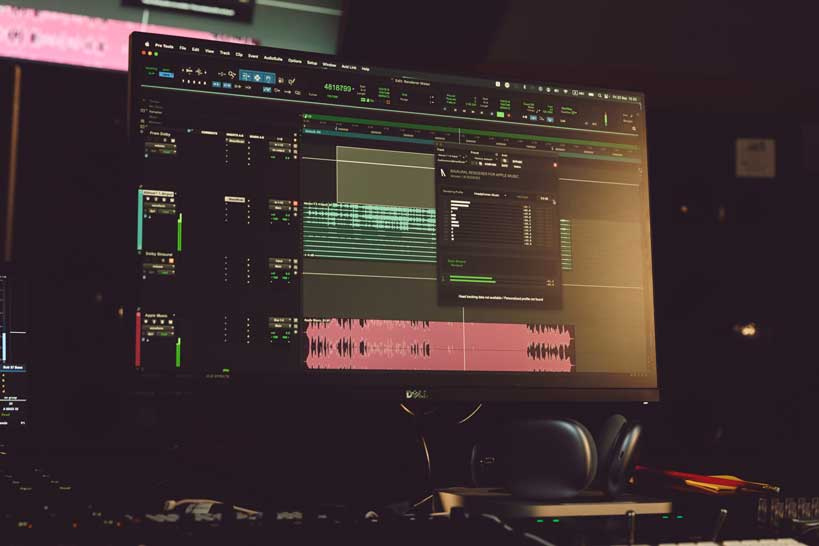


However, seamlessly streaming, recording or producing music with others remotely is easier said than done, and there are more challenges to doing so than you might think.
With that in mind, we’ve outlined three ways to start effectively collaborating on music remotely. Firstly though, what exactly are the benefits and potential pitfalls of collaborating with musicians online?
The benefits of collaborating on music remotely
Let’s look at the advantages of remote music collaboration more closely:
Collaboration wherever you are – Remote collaboration enables you to work with each other no matter where you are, even if it’s the other side of the world.
Greater scheduling flexibility – With no need to travel in order to play, record or produce music with others, remote music collaborations are a lot easier to organise.
Reduced costs – While you’ll have to spend money on essential equipment like microphones and headphones, remote music collaboration helps you cut costs as you don’t have to travel to and rent out a recording studio.
The challenges of collaborating on music remotely
However, remote music collabs don’t come without potential problems, including:
Latency and variable bitrates – Noticeable delays can make remote collaborations extremely difficult, if not impossible.
Poor sound quality – Similarly, not all remote music solutions have HD streaming quality, which is particularly problematic when it comes to producing and recording music.
Incompatible technology – Even if you have the best remote music technology in the world, it’s no use if it’s incompatible with your collaborator’s, which is a big risk with remote collaborations.
Because of this, it’s important to find remote music collab methods that work for your requirements. Here are three you might want to try for different purposes, from remote recording to production.